
Parenting can be challenging, especially when you want to provide your child with the best environment to grow, learn, and thrive. Montessori parenting tips offer practical strategies for nurturing independence, creativity, and self-confidence in children from an early age. By adopting Montessori-inspired approaches at home, parents in Turkey can support their children’s natural curiosity while encouraging a strong sense of responsibility and self-discipline.
Montessori parenting is not just a method for schools; it can easily be adapted at home to create an enriching, child-centered environment. In this article, we will explore actionable Montessori parenting tips for toddlers and preschoolers, discuss techniques for fostering emotional intelligence, and provide guidance for integrating Montessori principles into daily family life.
What Is Montessori Parenting and Why It Matters
Montessori parenting is based on the philosophy of Dr. Maria Montessori, an Italian educator who emphasized self-directed learning, hands-on activities, and respect for a child’s natural development. Unlike traditional parenting approaches that often rely on structured instruction, Montessori parenting techniques focus on observation, guidance, and creating an environment that allows children to explore freely.
The Benefits of Montessori Parenting
- Encourages independence and self-confidence
- Develops problem-solving and critical thinking skills
- Promotes a love for learning through hands-on experiences
- Supports emotional development and empathy
- Helps children adapt to social settings without constant adult intervention
For Turkish parents, embracing Montessori parenting tips means giving children the tools to succeed academically and emotionally while allowing the family to develop a harmonious daily routine.
Montessori Parenting Tips for Toddlers
Toddlers are at a stage where they crave exploration and autonomy. Montessori parenting techniques for toddlers focus on creating a safe environment that fosters independence while providing opportunities for learning.
Create a Child-Friendly Environment
Arrange your home so that your toddler can access toys, books, and materials independently. Low shelves, open baskets, and small furniture allow children to choose activities freely. This setup nurtures decision-making skills and responsibility.
Encourage Practical Life Skills
Simple tasks like pouring water, dressing themselves, or helping with meals empower toddlers and boost self-confidence. These activities may take longer than doing them yourself, but the long-term benefits in independence are significant.
Use Montessori Toys and Materials
Opt for natural, open-ended toys like wooden blocks, stacking cups, or sensory boards. Avoid overstimulating electronic toys that limit creativity. Montessori parenting tips emphasize materials that support hands-on learning and problem-solving.
Montessori Parenting Tips for Preschoolers
Preschoolers are naturally curious and eager to learn. Montessori parenting tips for preschoolers focus on developing cognitive skills, social skills, and creativity while fostering independence.
Encourage Self-Directed Learning
Allow children to choose their activities and explore at their own pace. For example, if your child wants to paint instead of doing a puzzle, let them engage fully. This approach builds intrinsic motivation and concentration.
Foster Language and Communication Skills
Reading together, storytelling, and engaging in meaningful conversations are key Montessori parenting strategies. Encourage children to express themselves and ask questions without interrupting or correcting them constantly.
Promote Collaborative Play
Preschoolers benefit from social interactions where they learn cooperation, empathy, and conflict resolution.
Montessori parenting encourages guided play instead of structured contests.
Montessori Methods for Fostering Emotional Well-Being
Practice Mindful Observation
Instead of correcting your child immediately, observe their behavior to understand their needs and motivations. This allows parents to respond thoughtfully rather than react impulsively.
Encourage Problem-Solving
When a child faces a challenge, resist the urge to solve it for them. Offer gentle guidance and ask questions that help them think critically. This strategy enhances resilience and confidence.
Model Emotional Regulation
Children learn by observing adults. Demonstrating calm, respectful responses to frustration teaches children how to handle emotions in a healthy way.
Montessori at Home Parenting: Practical Daily Tips
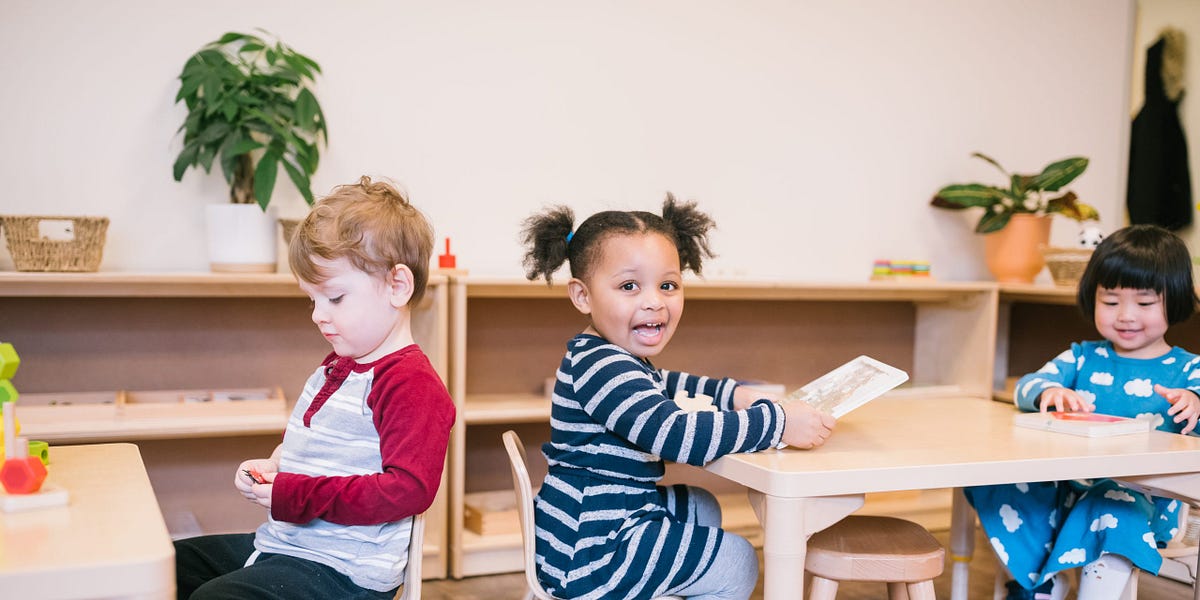
Incorporating Montessori principles at home can feel overwhelming, but small changes can make a significant impact.
Establish a Predictable Routine
Children thrive on routine, which provides a sense of security and independence. Use a consistent schedule for meals, play, and learning activities.
Organize Spaces for Autonomy
Create accessible areas for clothing, books, and toys so children can manage their own belongings. Label shelves with pictures or words to reinforce order and literacy skills.
Integrate Learning Into Daily Life
Cooking, gardening, or cleaning can become rich learning experiences. Montessori parent guides often highlight everyday tasks as opportunities for skill-building and discovery.
Montessori Parenting Techniques for Toddlers and Preschoolers Combined
Combining strategies across age groups ensures continuity in learning and development.
Offer Age-Appropriate Choices
Whether a toddler or preschooler, allow children to make simple decisions, such as choosing clothes or selecting a snack. This builds confidence and decision-making skills.
Encourage Exploration Outdoors
Nature offers endless opportunities for discovery. Walking in parks, gardening, or observing animals can teach responsibility, science concepts, and observation skills.
Use Positive Reinforcement
Instead of punishment, highlight efforts and achievements. Montessori parenting tips emphasize celebrating progress rather than focusing on mistakes.
Common Mistakes Parents Make and How to Avoid Them
Even with the best intentions, parents can struggle with Montessori implementation.
Over-Structuring Activities
Avoid controlling every detail. Montessori parenting strategies work best when children have freedom within a prepared environment.
Rushing Skill Development
Allow children to progress at their own pace. Montessori parenting tips for preschool emphasize patience and observation over pushing milestones.
Ignoring Emotional Needs
Cognitive development is important, but emotional support is crucial. Observe, validate feelings, and guide your child gently.
Conclusion: Building a Montessori Home in Turkey
Montessori parenting tips provide practical, effective strategies for nurturing independence, creativity, and emotional intelligence in children. By adopting these approaches at home, Turkish parents can create an environment that encourages self-directed learning, fosters strong family connections, and supports long-term growth.
Whether you are starting with a toddler or guiding a preschooler, integrating Montessori principles into your daily routine can transform parenting into a fulfilling, joyful experience for both you and your child.