
Choosing the right preschool is one of the most important decisions for parents. For families seeking a learning environment that fosters independence, creativity, and social skills, a Montessori preschool (ages 2-6) can provide an exceptional foundation. Designed to support the natural development of young children, Montessori education focuses on hands-on learning, self-directed activity, and nurturing a love of discovery.
This comprehensive guide explores everything parents need to know about Montessori preschools, including curriculum ideas, classroom activities, educational benefits, and tips for finding the right school. Whether you live in Istanbul, Ankara, or Izmir, understanding how Montessori methods shape early learning can help you make informed decisions for your child.
What Is Montessori Education for Preschoolers
Montessori education is based on the philosophy of Dr. Maria Montessori, an Italian physician and educator who developed a child-centered approach to learning. The method emphasizes hands-on experiences, practical life skills, and fostering curiosity in a prepared environment. Click here for more info Montessori preschool (ages 2-6).
Core Principles
Montessori preschools for ages 2-6 focus on several key principles. Children learn at their own pace, guided by specially trained teachers. The classrooms are designed to encourage exploration, independence, and collaboration. Materials are accessible and structured to help children understand abstract concepts through concrete experiences.
Age-Appropriate Learning
For children aged 2-6, Montessori programs emphasize practical life activities, sensory exploration, language development, and early math and science concepts. The goal is to cultivate autonomy while supporting emotional and social growth.
Benefits of Montessori Preschool Education
Enrolling a child in a Montessori preschool offers numerous developmental advantages.
Cognitive Development
Children engage in self-directed learning, which promotes problem-solving skills, critical thinking, and creativity. Early exposure to structured, hands-on materials supports strong cognitive foundations.
Social and Emotional Growth
Montessori classrooms encourage collaboration and respect for others. Children learn to manage emotions, share responsibilities, and develop empathy, which fosters social maturity and emotional resilience.
Independence and Responsibility
By allowing children to choose activities and complete tasks at their own pace, Montessori education instills a sense of independence and self-confidence. Children learn responsibility for their learning and environment from an early age.
Montessori Preschool Curriculum Ideas
A strong curriculum is essential for maximizing the benefits of Montessori education. Here are some ideas tailored for preschoolers aged 2-6.
Practical Life Skills
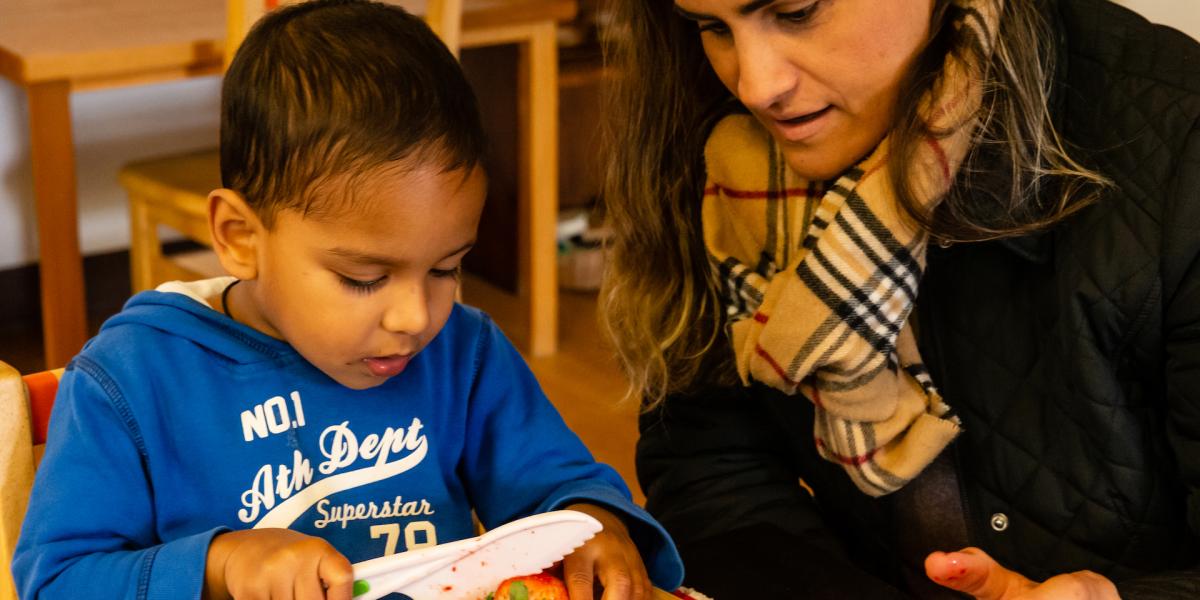
Activities like pouring, dressing, cleaning, and simple cooking exercises develop fine motor skills and encourage independence. These tasks teach responsibility and reinforce everyday life skills.
Sensorial Activities
Montessori classrooms provide materials that stimulate the senses, helping children distinguish shapes, colors, textures, sounds, and smells. Sensorial exercises refine perception and prepare children for more complex cognitive tasks.
Language Development
Reading, storytelling, and phonetic exercises are integrated into daily activities. Children learn vocabulary, comprehension, and early literacy skills in a natural, engaging manner.
Mathematics and Science Exploration
Hands-on materials like counting beads, geometric shapes, and classification activities introduce foundational math and science concepts. Children learn to understand numbers, patterns, and basic scientific principles experientially.
Montessori Preschool Activities for Ages 2-6
Montessori classrooms are designed to encourage active participation. Some popular activities include:
Art and Creativity
Children explore painting, drawing, and crafting using diverse materials. Creative expression fosters imagination and enhances fine motor development.
Nature and Outdoor Learning
Gardening, nature walks, and observation of plants and animals encourage curiosity about the natural world and promote physical activity.
Practical Life Projects
Cooking, cleaning, and organizing tasks teach children to care for themselves and their environment. These activities also develop concentration and coordination.
Group Work and Social Interaction
Children collaborate on puzzles, building projects, or classroom tasks. These exercises enhance teamwork, communication skills, and peer relationships.
How to Find a Montessori Preschool Near Me
Choosing the right school involves careful consideration of location, staff qualifications, and learning environment.
Research and Visit Schools
Look for accredited Montessori preschools in your city. Schedule visits to observe classrooms, meet teachers, and see how children interact with materials.
Evaluate Teacher Training
Qualified Montessori teachers should have formal training and experience working with preschool-aged children. Ask about credentials and professional development opportunities.
Assess Classroom Environment
A well-prepared Montessori classroom is orderly, accessible, and equipped with age-appropriate materials. Children should be engaged in self-directed activities, demonstrating independence and focus.
Consider Communication and Parental Involvement
Schools that maintain open communication with parents and encourage involvement in activities and progress updates create a supportive learning community.
Common Questions About Montessori Preschool
Is Montessori Suitable for All Children?
While Montessori education benefits most children, it is especially effective for those who thrive in hands-on, self-directed learning environments. It may be less structured than traditional preschools, so children who prefer clear instructions might need time to adjust.
How Does Assessment Work?
Montessori programs focus on observation rather than traditional grading. Teachers track individual progress through daily observations, documenting achievements in practical life skills, academics, and social development.
Can Montessori Prepare Children for Primary School?
Yes, Montessori preschool provides a strong foundation for elementary education. Children develop independence, problem-solving skills, and a love of learning, which translates into readiness for more formal academic settings.
Tips for Supporting Montessori Learning at Home
Parents can reinforce Montessori principles at home to enhance their child’s learning experience.
Encourage Independence
Allow children to dress themselves, prepare snacks, or organize their toys. These activities build confidence and practical life skills.
Provide Hands-On Learning Opportunities
Introduce sensory play, building blocks, and age-appropriate experiments to stimulate curiosity and cognitive development.
Create a Prepared Environment
Organize your home with accessible materials, child-sized furniture, and designated learning areas to support autonomy and self-directed exploration.
Foster a Love of Reading
Read aloud daily and provide a variety of books that encourage imagination, language development, and comprehension.
Conclusion
A Montessori preschool (ages 2-6) offers parents a nurturing and stimulating environment where children can develop independence, creativity, and a lifelong love of learning. From practical life activities to sensorial exploration and early academic skills, Montessori education prepares children for future academic and social success.
By carefully selecting a qualified school, understanding the curriculum, and supporting Montessori principles at home, parents can ensure their children thrive during these critical early years.